






































No products in the cart.





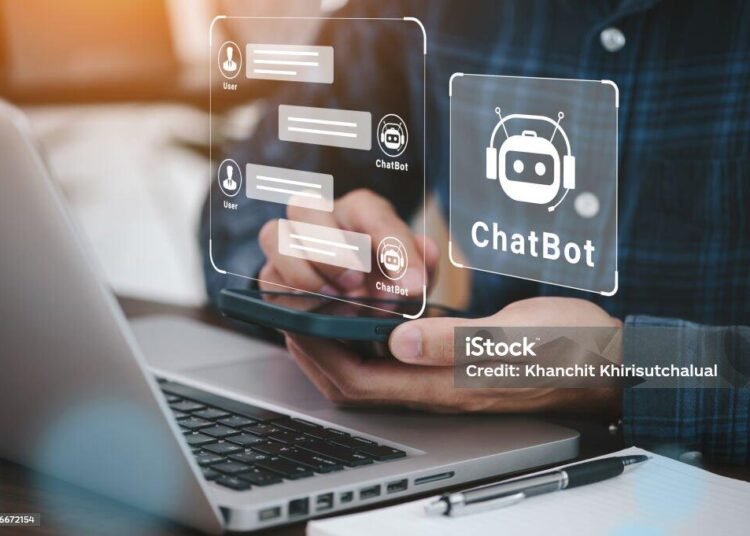
Using system AI Chatbot in computer or mobile application to uses artificial intelligence chatbots automatically respond online messages intelligent service to help customers
In recent years, the accelerated integration of Artificial Intelligence (AI) across educational systems has presented both significant opportunities and complex ethical considerations. As an academic researcher and educator specializing in Islamic economics and public policy analysis, I have personally observed the urgent need to adopt AI responsibly, especially in the context of compulsory courses such as Pancasila and Civic Education (PPKn) for undergraduate students throughout Indonesia.
The conventional classroom approach confronts multiple challenges. Many students struggle to grasp PPKn concepts due to limited interaction, monotonous materials, and a lack of personalized support. Recognizing these obstacles, I aimed to utilize technology not merely as a shortcut, but as a deliberate tool for empowerment and transformation. Consequently, I developed a Meta AI-based WhatsApp chatbot framework Pancasila AI, to inspire meaningful, guided learning among undergraduate students.
Responsible AI use begins with problem identification: in today’s digital landscape, plagiarism and academic dishonesty are increasingly enabled by technology. Unregulated AI tools can intensify these issues, allowing students to circumvent assignments and undermine genuine learning. Therefore, ethical AI must encourage critical thinking, safeguard authenticity, and appropriately complement, rather than substitute human learning processes.

My experience in developing the Pancasila AI chatbot is guided by several core ethical principles:
Facilitation, not substitution: The chatbot operates as a digital tutor, prompting students to reflect, discuss, and actively explore Pancasila values. Instead of providing direct answers, it poses Socratic questions, offers guided explanations, and simulates academic discourse.
Transparency: Students are consistently informed when the chatbot is engaged and have access to logs of their interactions for review. Academic staff can monitor usage patterns to prevent misuse and ensure accountability.
Personalization with integrity: The Meta AI engine adapts conversations for each learner, providing tailored feedback while maintaining the expectation of original thought. For example, chatbot discussions are designed to deepen contextual understanding and promote civic participation, not to complete assignments on students’ behalf.
Continuous evaluation: Employing both quantitative (pretest-posttest results, engagement metrics) and qualitative (student interviews, open-ended feedback) methods, I assess not only learning outcomes but also ethical awareness and academic motivation.
Implementing the WhatsApp Business API and Meta AI for PPKn has produced promising results. Students report increased engagement, enhanced conceptual understanding, and heightened motivation for self-directed learning. The system’s fallback AI and message templates foster respectful communication and timely feedback for large classes, ensuring that every student is heard. Additionally, the framework enables lecturers to focus on higher-level mentoring rather than administrative duties.
Nonetheless, the responsible use of AI demands both humility and vigilance: ongoing monitoring, training, and collaboration between educators and students are essential to maintaining academic integrity. In my own classroom, I promote regular workshops on responsible AI use, encourage open dialogue about technological risks, and maintain open channels for feedback and improvement. Plagiarism detection tools are integrated to prevent academic misconduct, and the chatbot itself reinforces values of honesty and citizenship.
In conclusion, AI is neither a panacea nor an adversary, but a powerful instrument when anchored in ethical responsibility. The Pancasila AI chatbot presents a model for how advanced technology can enrich national education; if guided by integrity, transparency, and shared commitment to meaningful learning. As digital transformation accelerates, it is our collective duty to champion ethical AI practices for the benefit of future generations.
Syarat dan Ketentuan Penulisan di Siaran-Berita.com :
Setiap penulis setuju untuk bertanggung jawab atas berita, artikel, opini atau tulisan, foto, gambar, ilustrasi, apa pun yang mereka publikasikan di siaran-berita.com - Syarat dan Ketentuan - Kebijakan Privasi - Panduan Komunitas - Disclaimer








BANJARNEGARA – Mahasiswa Kuliah Kerja Nyata (KKN) Universitas Muhammadiyah Purwokerto (UMP) Kelompok 061 Desa Karanganyar melaksanakan program kerja di bidang...
Read moreDetails




Siaran-Berita.com adalah portal media berita online yang bersifat terbuka dan inklusif. Kami menyediakan wadah bagi masyarakat umum, penulis lepas, praktisi humas, hingga pengamat untuk berkontribusi dalam bentuk tulisan
Untuk memudahkan membaca berita terbaru di Siaran-berita.com segera download aplikasi khusus untuk Android di Google Play dan nikmati kemudahan membaca berita langsung dari gadget Anda