








































No products in the cart.





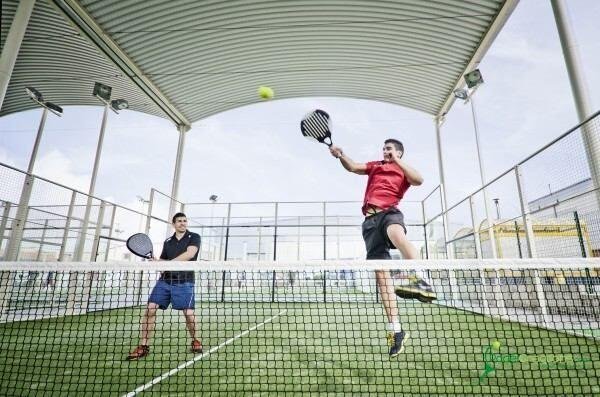
Source: (https://pin.it/7vqsnGmNA) // Playing Padel
Padel, a racquet sport that combines elements of tennis and squash, has become one of the fastest-growing sports in the world. Padel courts are popping up in major cities across Europe, the Middle East, and Asia, Including Indonesia. In a short period of time, Padel has transformed from a foreign sport into the most popular social phenomenon and lifestyle in urban Indonesia.
Take a look at the big cities, the modern Padel court with its glass and wire walls is now mushrooming, as if it is present in every corner, no matter if it is in the business center, the rooftop of the mall, and even often displaces the function of the existing sports field. This boom in growth was driven strongly by massive exposure on social media, where Padel was represented as a symbol of cool and “must-upload” urban status. However, amidst this widespread physical availability, there is a sad irony: Padel is available everywhere, but its price and ecosystem are unaffordable for most people.
Why is Padel so quickly popular? There are two reasons: Lifestyle and Business. The padel trend has become heavily commercialized. Influencers, celebrities, and major brands use it as a tool for social promotion. On social media, padel is often portrayed not as a physical activity but as a fashionable symbol of success and sophistication. This commercialization shifts the focus from sportsmanship and accessibility toward image and consumerism. In terms of lifestyle, Padel is very Instagrammable.
The outfits are fashionable, the court design is aesthetic, and the game is fun and easier to learn than tennis, making it suitable for networking and socializing. From a business perspective, Padel offers a lucrative profit margin potential. High rental rates often reach millions of rupiah per session, making Padel court investment much more attractive than Futsal or Badminton. This combination of visual appeal on social media and the potential for great profits is what triggers property owners to compete to turn their land into a Padel arena, regardless of who the player is.

The dark side of Padel appears when we analyze the barrier to entry or the barrier to access. Expensive rental prices are just the beginning. Prospective players are also required to invest in special rackets and gear that are priced at a premium. This automatically locks Padel in as a sport that is only accessible to a handful of upper-middle-class people who have a dedicated allocation of funds for lifestyle.
The impact does not stop at personal pockets, but extends to the social realm. The case of the threat of the transfer of the function of the Futsal or public football field, as happened in Kedoya, West Jakarta, is clear evidence. Land that was once a cheap sports space for the community is now at risk of being commercialized into Padel. This means that in order to keep up with this premium trend, space for affordable folk sports is increasingly marginalized.
There are also environmental and social consequences. The rapid construction of padel courts frequently replaces green spaces or public recreation areas. This demonstrates how business interests can outweigh community needs. Moreover, as padel dominates the spotlight, traditional or local sports that are cheaper and more inclusive receive less attention and support.

Padel is a perfect case study of how trends driven by digital hype can widen social gaps in health and leisure access. If the industry wants to develop in a healthy and sustainable manner, not just as a momentary phenomenon, then the inclusivity aspect must be the focus. Field managers need to be encouraged to offer more affordable rates outside of peak hours or provide a low-cost tool rental program.
More importantly, local governments must play an active role in maintaining the availability of affordable public sports facilities, so that the benefits of physical activities are not only a privilege for those who can afford to pay a lot, but a right for all city residents.
The global padel boom reflects how popularity can sometimes hide inequality. The sport’s visibility gives the illusion of inclusivity, yet its high costs create barriers for most people. To address this issue, governments, local communities, and sports organizations should work together to make padel more accessible by building public courts, offering affordable programs, and promoting it as a community sport rather than a luxury pastime.
Syarat dan Ketentuan Penulisan di Siaran-Berita.com :
Setiap penulis setuju untuk bertanggung jawab atas berita, artikel, opini atau tulisan, foto, gambar, ilustrasi, apa pun yang mereka publikasikan di siaran-berita.com - Syarat dan Ketentuan - Kebijakan Privasi - Panduan Komunitas - Disclaimer





JAKARTA – Kompleksitas menjaga pola makan dan menghitung kalori di era modern kerap menjadi hambatan bagi masyarakat yang ingin memulai...
Read moreDetails




Siaran-Berita.com adalah portal media berita online yang bersifat terbuka dan inklusif. Kami menyediakan wadah bagi masyarakat umum, penulis lepas, praktisi humas, hingga pengamat untuk berkontribusi dalam bentuk tulisan
Untuk memudahkan membaca berita terbaru di Siaran-berita.com segera download aplikasi khusus untuk Android di Google Play dan nikmati kemudahan membaca berita langsung dari gadget Anda