




































No products in the cart.





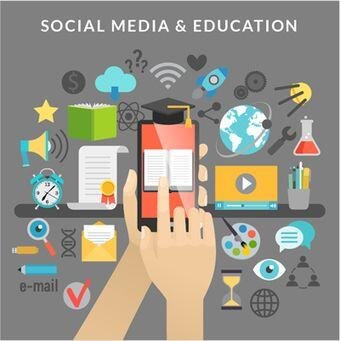
Amidst the rapid development of digital technology, social media has undergone a significant shift in function, particularly among students. While previously synonymous with entertainment, communication, and self-expression, platforms like YouTube and TikTok are now being utilized as practical and easily accessible alternative learning resources. The presence of educational content in the form of short videos, visual explanations, and interactive discussions gives students more options for understanding lecture material. With the flexibility of time and place, students can review material at any time without being confined to the classroom, making the learning process more independent and adaptive to individual needs.
The use of social media as a learning tool is also closely related to the changing learning styles of today’s generation, which tend to be more visual and dynamic. Material delivered through social media is generally presented in a concise, engaging, and easy-to-understand manner, thereby increasing student learning interest. This contrasts with conventional methods, which are sometimes one-way and less interactive. With a variety of material delivery options, students can adapt their learning methods to their own, whether through explanatory videos, infographics, or other creative content available on various digital platforms.
One student who has directly experienced these benefits is Nabila (21), an Indonesian Literature student. She revealed that social media is very helpful in understanding material that is considered difficult if relying only on explanations in class or from textbooks. “Learning in the form of audiovisuals usually makes it easier for me to remember the material,” she said. According to Nabila, the combination of sound, images, and structured explanations in videos makes the information easier to understand and remember for a longer period of time. In addition, she also feels that the content presented in a short but concise manner helps save study time without reducing the essence of the material being studied.
Furthermore, using social media as a learning resource also offers the advantage of access to diverse perspectives and sources of information. Students are not solely reliant on a single explanation from a lecturer, but can compare different presentation methods from other creators that may better suit their learning styles. This indirectly encourages students to be more critical in understanding a topic, as they become accustomed to viewing information from multiple perspectives. Furthermore, the ease of sharing content also allows students to engage in discussions with peers or the wider learning community, creating a more collaborative learning environment.
However, despite these benefits, social media use still requires awareness and self-control to avoid negative impacts. Nabila emphasized the importance of using social media wisely, especially in choosing the content consumed and how to interact with it. “Use social media to learn, don’t spread hate comments, or comment wisely, follow or watch good content,” she added. This statement demonstrates that social media serves not only as a source of information but also as a public space that demands ethics and responsibility in its use.
Therefore, social media has great potential to be an effective learning resource for students if utilized appropriately. The availability of easily accessible educational content, combined with students’ ability to filter information, can create a more engaging, flexible, and relevant learning experience. Therefore, students must be more than passive users, but also become intelligent and wise individuals in utilizing social media as part of their learning process.
Syarat dan Ketentuan Penulisan di Siaran-Berita.com :
Setiap penulis setuju untuk bertanggung jawab atas berita, artikel, opini atau tulisan apa pun yang mereka publikasikan di siaran-berita.com - Syarat dan Ketentuan - Kebijakan Privasi - Panduan Komunitas - Disclaimer








YOGYAKARTA — Lima puluh tahun bukan waktu yang singkat bagi sebuah pertunjukan seni. Namun di Yogyakarta, kisah Rama dan Sinta...
Read moreDetails




Siaran-Berita.com adalah portal media berita online yang bersifat terbuka dan inklusif. Kami menyediakan wadah bagi masyarakat umum, penulis lepas, praktisi humas, hingga pengamat untuk berkontribusi dalam bentuk tulisan
Untuk memudahkan membaca berita terbaru di Siaran-berita.com segera download aplikasi khusus untuk Android di Google Play dan nikmati kemudahan membaca berita langsung dari gadget Anda

 UPHOME Android Tv Box Mini 4K-HD Ultra Android 13 Ram 1/2/4GB Rom 8/16/32GB WIFI 2.4G/5G Bluetooth Smart Tv Box Unlock FULL CHANNEL TV & Film & APP - Netflix / Disney Original price was: Rp369.000.Rp364.500Current price is: Rp364.500.
 MBA Perfume - Reef EDP 30ml Original price was: Rp79.900.Rp67.400Current price is: Rp67.400.
 OMG Oh My Glam Mattelast Lip Cream 2.9 g - Lip Cream Matte Dengan Warna Intense, Tahan Lama & Ringan Original price was: Rp99.400.Rp25.900Current price is: Rp25.900.
 Romano Eau De Toilette Grandiose Parfum Pria 100 ml Original price was: Rp71.500.Rp47.300Current price is: Rp47.300.