

























No products in the cart.

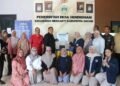



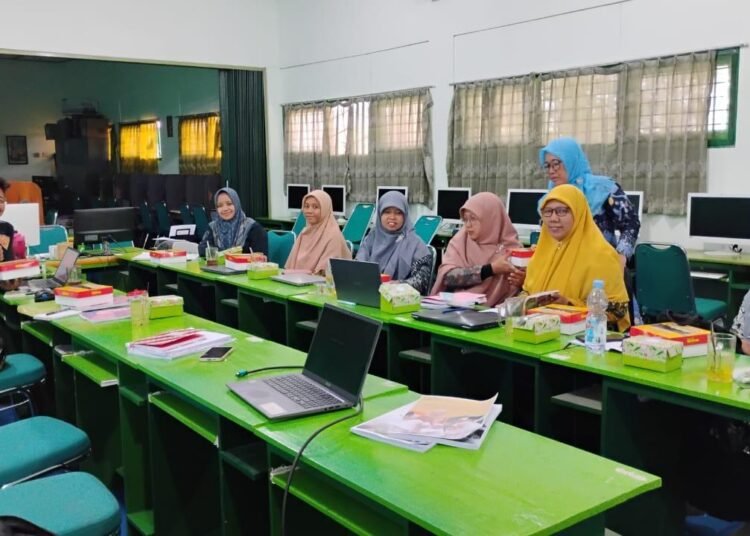
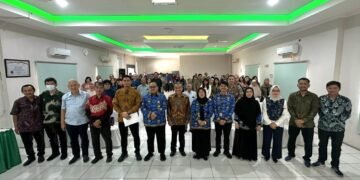
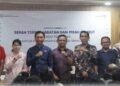
Bantul — MTsN 6 Bantul served as the host of the Communication Forum of Vice Principals for Curriculum Affairs (Waka Kurikulum) of MTs across Bantul Regency on Thursday (December 11, 2025). The meeting brought together curriculum leaders to share experiences, concerns, and practical strategies related to recent curriculum structure changes and their implementation at the madrasah level.
The discussion highlighted key shifts in curriculum structure, including changes across grade levels and the reduction of P5RA subjects from six to four co-curricular components. Participants noted potential risks of insufficient instructional hours due to updates in the curriculum structure recorded in Simpatika, as well as the possibility of excess hours in Islamic Religious Education (PAI) subjects that require early anticipation.
To address these challenges, forum members shared practical solutions. These included integrating teachers’ teaching assignments directly into Simpatika to secure compliance, and maximizing the allocated hours for co-curricular facilitators or coordinators within the system. Participants also agreed that co-curricular implementation could be adapted to each madrasah’s context—whether conducted daily, weekly, or in block systems—and integrated with existing habituation programs, flagship initiatives, or cross-subject Project-Based Learning (PjBL).
The forum further discussed the need for formal changes and legal validation in implementing KMA 1503 within curriculum documents. Participants emphasized that such updates require official decrees for amendments and formal endorsement, in line with recently issued guidelines. Importantly, the outcomes of the discussion were positioned as shared reflections rather than binding agreements, encouraging each vice principal to continue coordinating with their respective heads of madrasahs and adapting to local conditions.
Head of MTsN 6 Bantul, Sugiyono, welcomed the forum and underscored the value of open dialogue. “This forum is a strategic space for sharing real experiences and concerns so that curriculum implementation can remain compliant while still contextual and effective,” he said. Echoing this, Rina Harwati emphasized the importance of sustained communication and flexibility. “What we discussed today reflects collective learning. Each madrasah should further align these insights with its own leadership and conditions to ensure smooth curriculum development and implementation,” she noted.
Syarat dan Ketentuan Penulisan di Siaran-Berita.com :
Setiap penulis setuju untuk bertanggung jawab atas berita, artikel, opini atau tulisan, foto, gambar, ilustrasi, apa pun yang mereka publikasikan di siaran-berita.com - Syarat dan Ketentuan - Kebijakan Privasi - Panduan Komunitas - Disclaimer





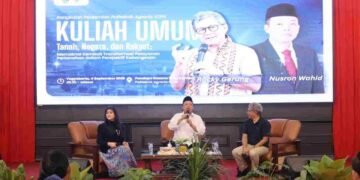
Sleman – Tanah tidak hanya dapat dipandang sebagai objek kepemilikan, tetapi memiliki makna yang berbeda berdasarkan hubungan dan kepentingan yang...
Read moreDetails


Siaran-Berita.com adalah portal media berita online yang bersifat terbuka dan inklusif. Kami menyediakan wadah bagi masyarakat umum, penulis lepas, praktisi humas, hingga pengamat untuk berkontribusi dalam bentuk tulisan
Untuk memudahkan membaca berita terbaru di Siaran-berita.com segera download aplikasi khusus untuk Android di Google Play dan nikmati kemudahan membaca berita langsung dari gadget Anda