





























No products in the cart.





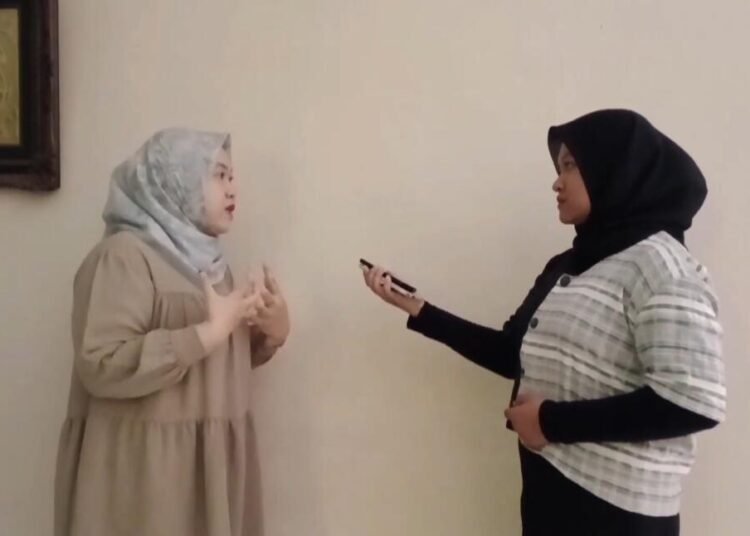
Interview with Lia Retian Asfirah (Source: Personal Documentation)
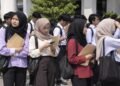
Higher education institutions in Indonesia are facing growing scrutiny over their role in preparing students for the workforce, as unemployment among university graduates remains a concern. Data from Badan Pusat Statistik (BPS), based on the National Labor Force Survey (Sakernas) 2025, shows that the open unemployment rate for university graduates reached 5.39 percent, highlighting ongoing challenges in graduate employability. This concern was echoed by Lia Retian Asfirah, a lecturer at a public higher education institution in Semarang, who pointed to a persistent gap between academic preparation and industry expectations.
According to Lia, universities and vocational institutions have generally succeeded in equipping students with foundational knowledge. However, she noted that many students still lack essential competencies such as professional communication, real-world problem-solving, as well as discipline and time management. She emphasized that these skills are critical outcomes that higher education should consistently develop. “Within higher education, academic achievement is still often prioritized, while in the workplace, soft skills like teamwork, initiative, and the ability to receive feedback play a more decisive role,” she said.
Lia further explained that vocational education, as part of the higher education system, is designed to be more practice-oriented. However, its implementation still encounters structural challenges. These include limited facilities that do not fully reflect industry standards, as well as curricula that are not always aligned with rapidly evolving industry demands. “It is not simply a matter of being too theoretical. The issue lies in how practical learning in higher education has not fully simulated real workplace conditions or provided sufficient real-world exposure,” she explained.
In addition to technical skills, Lia highlighted the importance of character building within higher education. She observed that many students still demonstrate a tendency to wait for instructions and lack proactiveness, an indication that work ethic and mental readiness have not been fully developed during their time in university. “Higher education should not only transfer knowledge but also shape students’ mindset and professional attitude,” she added.
Despite these challenges, Lia acknowledged the strong potential of today’s students, particularly in their ability to adapt to new technologies and think creatively. She stressed that higher education institutions need to better harness this potential by integrating character education with technical training. She concluded that strengthening values such as responsibility, consistency, and resilience must become an integral part of higher education. “With a more balanced approach, higher education can produce graduates who are not only academically competent but also mentally and professionally ready to face the demands of the workforce,” she concluded.
Syarat dan Ketentuan Penulisan di Siaran-Berita.com :
Setiap penulis setuju untuk bertanggung jawab atas berita, artikel, opini atau tulisan, foto, gambar, ilustrasi, apa pun yang mereka publikasikan di siaran-berita.com - Syarat dan Ketentuan - Kebijakan Privasi - Panduan Komunitas - Disclaimer




Kabupaten Nias — Serikat Novan Syahputra Zebua membuktikan diri sebagai representasi generasi muda yang cemerlang. Pelajar berbakat asal Sumatera...
Read moreDetails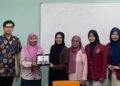




Siaran-Berita.com adalah portal media berita online yang bersifat terbuka dan inklusif. Kami menyediakan wadah bagi masyarakat umum, penulis lepas, praktisi humas, hingga pengamat untuk berkontribusi dalam bentuk tulisan
Untuk memudahkan membaca berita terbaru di Siaran-berita.com segera download aplikasi khusus untuk Android di Google Play dan nikmati kemudahan membaca berita langsung dari gadget Anda