











































No products in the cart.





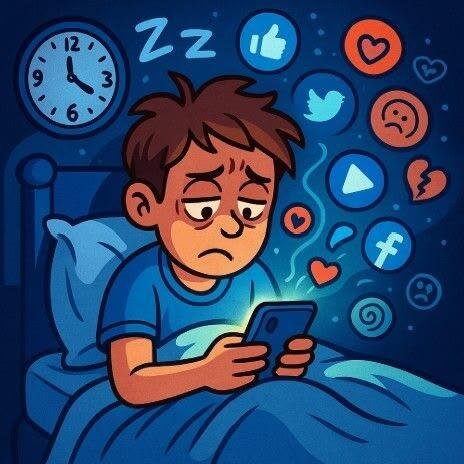
Currently, the rapid development of digital technology has brought significant changes to human life, especially for teenagers. Social media platforms such as Instagram, TikTok, and Twitter have become an inseparable part of their daily activities. Many teenagers spend hours browsing content, interacting with friends, sharing experiences, and following the latest trends online. Social media has made communication easier and faster, allowing teenagers to connect with people from different places around the world. It also provides entertainment, access to information, and opportunities for self-expression that were not easily available in the past.
However, behind the convenience and entertainment they offer, social media
also has various impacts that can affect teenagers’ mental health. Excessive use of
social media may cause anxiety, stress, low self-esteem, sleep problems, and
emotional instability. Teenagers often feel pressured to look perfect and gain
validation from others through likes, comments, and followers. In addition,
cyberbullying and negative comments on social media can make teenagers feel
insecure and emotionally hurt. As a result, many teenagers become emotionally
dependent on social media without realizing its negative effects on their mental wellbeing.
I believe that social media has a major impact on teenagers’ mental health
because excessive use can increase anxiety, reduce self-confidence, and affect
emotional stability. Although social media provides entertainment, communication,
and self-expression, teenagers must use it wisely and responsibly in order to maintain
healthy mental and emotional well-being in the digital era. Parents, schools, and
society also play an important role in guiding teenagers to use social media in a
positive and balanced way.
Excessive use of social media can increase anxiety levels among teenagers.
Constant notifications, pressure to stay active, and fear of missing out (FOMO) make
them feel stressed and worried. Furthermore, many teenagers feel the need to always
be online in order to stay relevant and accepted by their peers. This unhealthy habit
can lead to mental fatigue, emotional instability, and difficulty focusing on daily
activities such as studying and socializing in real life. In severe cases, teenagers may
become overly dependent on social media for happiness and emotional support.
In addition to anxiety, social media also affects self-confidence. Many posts
on social media show perfect lifestyles, physical appearances, and achievements. This
encourages teenagers to compare themselves with others. As a result, they may feel
insecure and dissatisfied with their own lives. Research suggests that unrealistic
comparisons on social media can reduce self-esteem because most online content is
carefully edited and does not fully reflect reality. Teenagers who constantly compare
themselves with influencers or celebrities may also develop negative thoughts about
their appearance and abilities.
Another negative impact of social media is sleep disturbance among
teenagers. Many teenagers spend long hours scrolling through social media late at
night, watching videos, or chatting online. Consequently, they do not get enough rest,
which affects their concentration, mood, and academic performance. Lack of sleep
can also increase stress and make teenagers feel physically and emotionally exhausted
throughout the day. Over time, unhealthy sleeping habits may negatively affect both
physical health and mental well-being.
To be sure, some people think social media is beneficial because it helps
people communicate, share information, and express themselves creatively. Social
media also allows teenagers to gain knowledge, build friendships, and stay connected
with family members and communities. In addition, many students use social media
for educational purposes, such as finding learning materials, joining online
discussions, and developing new skills. While these advantages are true, excessive
and uncontrolled use of social media can still create negative effects on teenagers’
mental health. Therefore, balance, self-control, and proper guidance are important
when using social media in everyday life.
In conclusion, social media can affect teenagers’ mental health in many ways.
Therefore, teenagers should use it wisely and not compare themselves too much. It is
important to stay confident and remember that real life is not the same as social media.
Teenagers should also spend more time doing positive activities in the real world,
such as studying, exercising, and communicating directly with family and friends.
Parents and schools also have an important role in guiding teenagers to use social
media responsibly. By using social media in a healthy way, teenagers can avoid
negative effects and improve their mental well-being. Social media should be a tool
for learning, creativity, and communication, not a source of stress and insecurity
Syarat dan Ketentuan Penulisan di Siaran-Berita.com :
Setiap penulis setuju untuk bertanggung jawab atas berita, artikel, opini atau tulisan, foto, gambar, ilustrasi, apa pun yang mereka publikasikan di siaran-berita.com - Syarat dan Ketentuan - Kebijakan Privasi - Panduan Komunitas - Disclaimer



LHOKSEUMAWE — Kantor Pertanahan (Kantah) Kota Lhokseumawe menerima kunjungan kerja langsung dari perwakilan Kantor Pelayanan Kekayaan Negara dan Lelang (KPKNL)...
Read moreDetails




Siaran-Berita.com adalah portal media berita online yang bersifat terbuka dan inklusif. Kami menyediakan wadah bagi masyarakat umum, penulis lepas, praktisi humas, hingga pengamat untuk berkontribusi dalam bentuk tulisan
Untuk memudahkan membaca berita terbaru di Siaran-berita.com segera download aplikasi khusus untuk Android di Google Play dan nikmati kemudahan membaca berita langsung dari gadget Anda