








































No products in the cart.





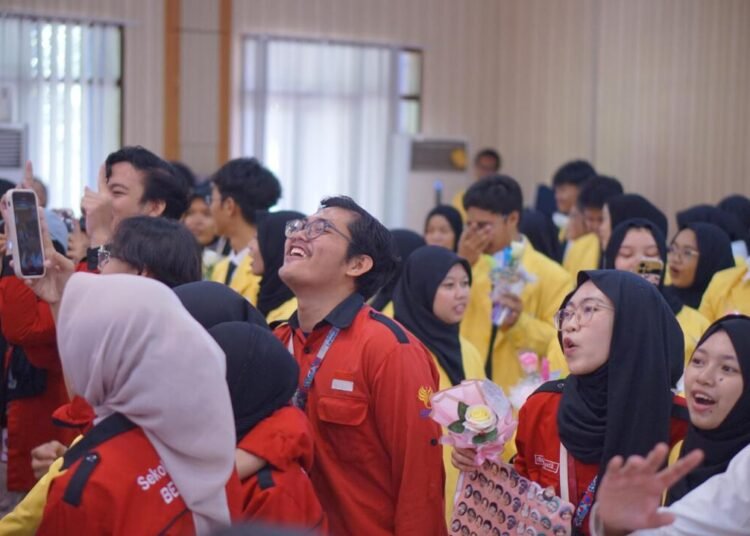
The increasing academic demands in higher education have raised concerns about student burnout, particularly among those in rigorous fields such as medicine. Tight schedules, heavy workloads, and limited rest time have become part of daily life for many students, affecting both their physical and mental well-being.
Dini, a medical student, is among those experiencing the pressure. Her daily routine is filled with lectures, practical sessions, and continuous study requirements. She revealed that academic activities often take up most of her time, leaving little room for rest.
“I feel exhausted almost every week, both physically and mentally,” Dini said. According to her, the demands of medical school go beyond understanding theories. Students are also required to memorize large amounts of material while keeping up with regular practical sessions.
She explained that her study time can reach two to three hours a day, especially when exams are approaching. Under such conditions, rest often becomes a secondary priority. “Sometimes I have to sacrifice sleep just to keep up with the lessons,” she added.
The pressure does not only come from the volume of assignments but also from the intensity of the learning process. Medical students are expected to maintain consistent performance in both theoretical and practical aspects, making the academic environment highly demanding.
Compared to students from other faculties, such as Languages and Arts, the nature of
academic challenges may differ. While students in creative fields often deal with deadlines and idea development, medical students face continuous exposure to dense material and structured schedules. Despite these differences, both groups experience stress that can accumulate over time.
The growing concern over student burnout highlights the need for better support systems within universities. Without proper attention, prolonged stress may lead to more serious consequences, including decreased academic performance and health issues.
Dini believes that universities should play a more active role in addressing this issue. “I think campuses need to provide better support for students’ mental health, especially for those with heavy workloads,” she said.
As academic pressure continues to rise, student well-being remains an urgent issue that requires immediate attention. Universities are now challenged to create a more balanced learning environment that supports both academic success and mental health.
Syarat dan Ketentuan Penulisan di Siaran-Berita.com :
Setiap penulis setuju untuk bertanggung jawab atas berita, artikel, opini atau tulisan, foto, gambar, ilustrasi, apa pun yang mereka publikasikan di siaran-berita.com - Syarat dan Ketentuan - Kebijakan Privasi - Panduan Komunitas - Disclaimer













TEGAL - Persaingan bisnis yang semakin ketat membuat perusahaan perlu mengelola keuangannya dengan lebih baik. Manajemen keuangan menjadi salah satu...
Read moreDetails




Siaran-Berita.com adalah portal media berita online yang bersifat terbuka dan inklusif. Kami menyediakan wadah bagi masyarakat umum, penulis lepas, praktisi humas, hingga pengamat untuk berkontribusi dalam bentuk tulisan
Untuk memudahkan membaca berita terbaru di Siaran-berita.com segera download aplikasi khusus untuk Android di Google Play dan nikmati kemudahan membaca berita langsung dari gadget Anda