











































No products in the cart.






Semarang – Mental health among university students is no longer just a trend on social media. It is a real and urgent issue on campus. However, despite various campus programs, they often fail to fix the real issues that students face every day.
The normalization of chronic stress within academic culture often worsens mental health until students reach a breaking point. The phenomenon of social comparison, the pressure to match the perceived achievements of others, acts like a ticking time bomb. Sadly, most students only look for professional help when it is almost too late.
“Some people only realize they need help when they start hurting themselves or thinking about suicide,” says Syafina, a student at Universitas Negeri Semarang.
Even in a place of learning, money and social shame are still huge problems. Even in Psychology departments, the cost of a counseling session is often too high for a student’s budget.
“Students still have to pay about 150,000 IDR. Even if it is cheaper than outside clinics, for a student, that is still a lot of money,” explains Fadila, a Psychology student in Jakarta.
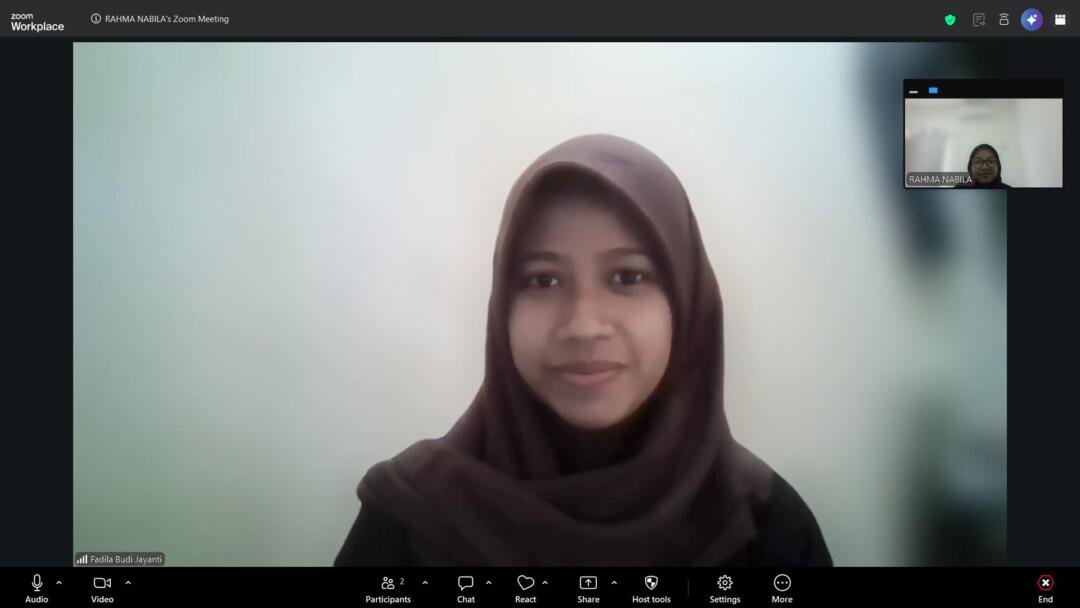
There is also a lack of trust in the services. Students are afraid that counselors will judge them rather than help them. This fear makes the problem worse. It makes the problem worse and keeps students silent. Many choose to hide their struggles because they are ashamed.
Big universities in Indonesia have started to show good intentions. They have built psychology service centers and run mental health campaigns. One of the most helpful programs is peer counseling.
Student mental health organizations offer students an alternative when they are too shy to see a professional psychologist. Through peer counseling, students feel they have someone to talk to without being judged.
“Student organizations are the most helpful because they are closer to us. The members are open to being friends and listening,” says Fadila. She believes that going directly to different faculties to teach students about mental health is the best way to show that asking for help is not a bad thing.
Even though facilities are starting to appear, many students still feel that campus mental health services are reactive and performative. Many students do not even know where to get help. Even on a campus that has a psychology service center, said Fadila.
They suggest that mental health services should be spread to every faculty, not just in one place. “It has to spread to every faculty. If it is only in one counseling center, the process will take too long,” Syafina said.
Students suggest that each faculty should have its own small counseling office to make the process faster and easier. Finally, students want real support from their lecturers to create a kinder environment. Then they want mental health education that is not just empty talk and involves real professionals, so the message is credible and on target. Mental health is the heart of a good education, and universities must focus on real empathy to keep their students safe.
Syarat dan Ketentuan Penulisan di Siaran-Berita.com :
Setiap penulis setuju untuk bertanggung jawab atas berita, artikel, opini atau tulisan, foto, gambar, ilustrasi, apa pun yang mereka publikasikan di siaran-berita.com - Syarat dan Ketentuan - Kebijakan Privasi - Panduan Komunitas - Disclaimer








LHOKSEUMAWE — Kantor Pertanahan (Kantah) Kota Lhokseumawe menerima kunjungan kerja langsung dari perwakilan Kantor Pelayanan Kekayaan Negara dan Lelang (KPKNL)...
Read moreDetails




Siaran-Berita.com adalah portal media berita online yang bersifat terbuka dan inklusif. Kami menyediakan wadah bagi masyarakat umum, penulis lepas, praktisi humas, hingga pengamat untuk berkontribusi dalam bentuk tulisan
Untuk memudahkan membaca berita terbaru di Siaran-berita.com segera download aplikasi khusus untuk Android di Google Play dan nikmati kemudahan membaca berita langsung dari gadget Anda