







































No products in the cart.





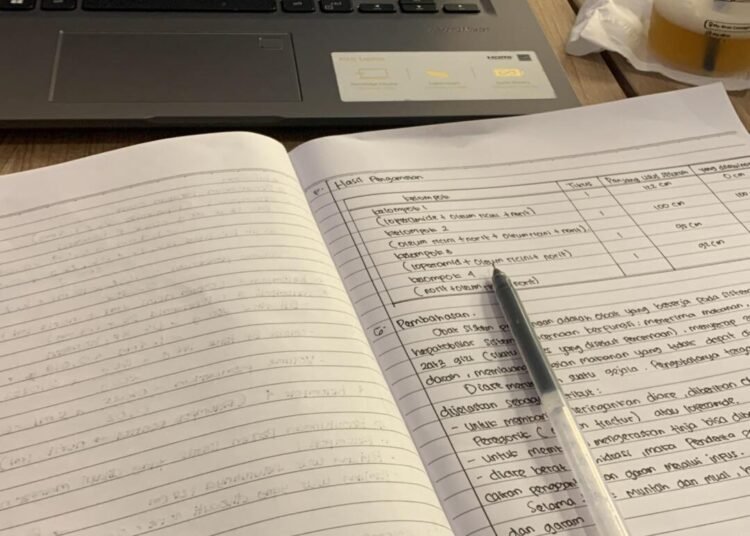
Semarang — Within the higher education system, lecturers often assign coursework to students as a way to reinforce the knowledge that has been taught. However, deadlines are often difficult for students to manage due to the accumulation of assignments from multiple lecturers, making the situation feel overwhelming. As a result, students’ daily lives become unsettled, their minds tense, and they eventually experience stress along with disrupted sleep patterns.
The issue of overlapping assignment deadlines remains a common concern among students at various universities. It not only affects stress levels and the quality of rest but also influences their understanding of course material.
Dian, a student at Universitas Duta Bangsa in Surakarta, admitted that she frequently receives assignments with very limited time for completion. She noted that deadlines largely depend on individual lecturers.
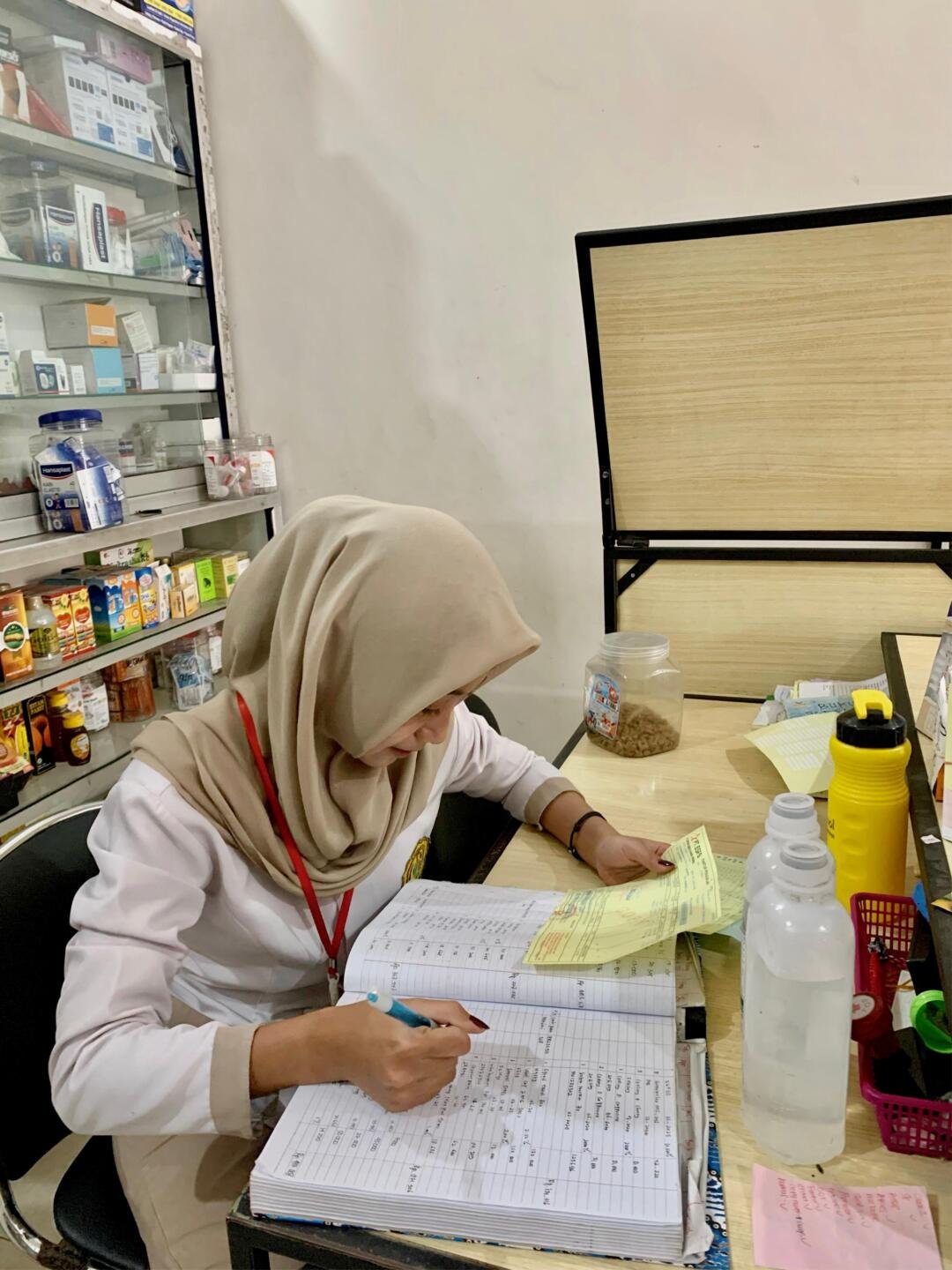
“Sometimes it’s unpredictable because it depends on the lecturer. There have been times when an assignment was given in the morning and had to be submitted that same night,” she said.
According to Dian, this situation reduces her rest time and makes her body feel easily fatigued. To cope with it, she chooses to complete the easiest tasks first to prevent piling up at the last minute.
A similar complaint was expressed by Azizah, a student at Universitas Sebelas Maret in Surakarta. She mentioned that in one week she could receive three to four assignments, and deadlines often coincide.
“Assignments pile up so often. It feels very stressful, especially when I have to stay up late. During class, I get sleepy and can’t focus well,” she said.
Azizah added that she usually works on the easiest assignments first, but she hopes for more flexibility in submission deadlines so that students do not feel overly pressured.
Meanwhile, Eka from Universitas Negeri Semarang stated that assignment overload happens quite frequently, with the number reaching four to six tasks per week.
“Yes, sometimes deadlines fall on the same day. It becomes stressful and unsettling because there are still many tasks left unfinished,” she explained.
Unlike other students, Eka tries to avoid staying up late by working on assignments gradually during the day. Even so, she still feels that her understanding of the material is not optimal.
She also noted that the workload tends to increase in the final semesters, both in quantity and level of difficulty. To manage this, Eka creates a priority list and divides the assignments into manageable stages.
In general, students hope for better coordination in setting deadlines so that they do not overlap within the same timeframe.
“Hopefully deadlines can be arranged more effectively and not given suddenly,” Eka said.
This phenomenon shows that, beyond academic demands, time management and coordination among lecturers are crucial factors in maintaining a balanced student workload. If not addressed, the accumulation of deadlines may negatively impact students’ health, learning quality, and overall academic performance.
Syarat dan Ketentuan Penulisan di Siaran-Berita.com :
Setiap penulis setuju untuk bertanggung jawab atas berita, artikel, opini atau tulisan, foto, gambar, ilustrasi, apa pun yang mereka publikasikan di siaran-berita.com - Syarat dan Ketentuan - Kebijakan Privasi - Panduan Komunitas - Disclaimer








Kendari — Prestasi membanggakan kembali diraih oleh siswi SMAN 1 Kendari, Firya Insyrah Sofyan, dalam ajang International Science Olympiad (ISO)...
Read moreDetails




Siaran-Berita.com adalah portal media berita online yang bersifat terbuka dan inklusif. Kami menyediakan wadah bagi masyarakat umum, penulis lepas, praktisi humas, hingga pengamat untuk berkontribusi dalam bentuk tulisan
Untuk memudahkan membaca berita terbaru di Siaran-berita.com segera download aplikasi khusus untuk Android di Google Play dan nikmati kemudahan membaca berita langsung dari gadget Anda